Saves instantly, no account needed. Already a member? Sign in.
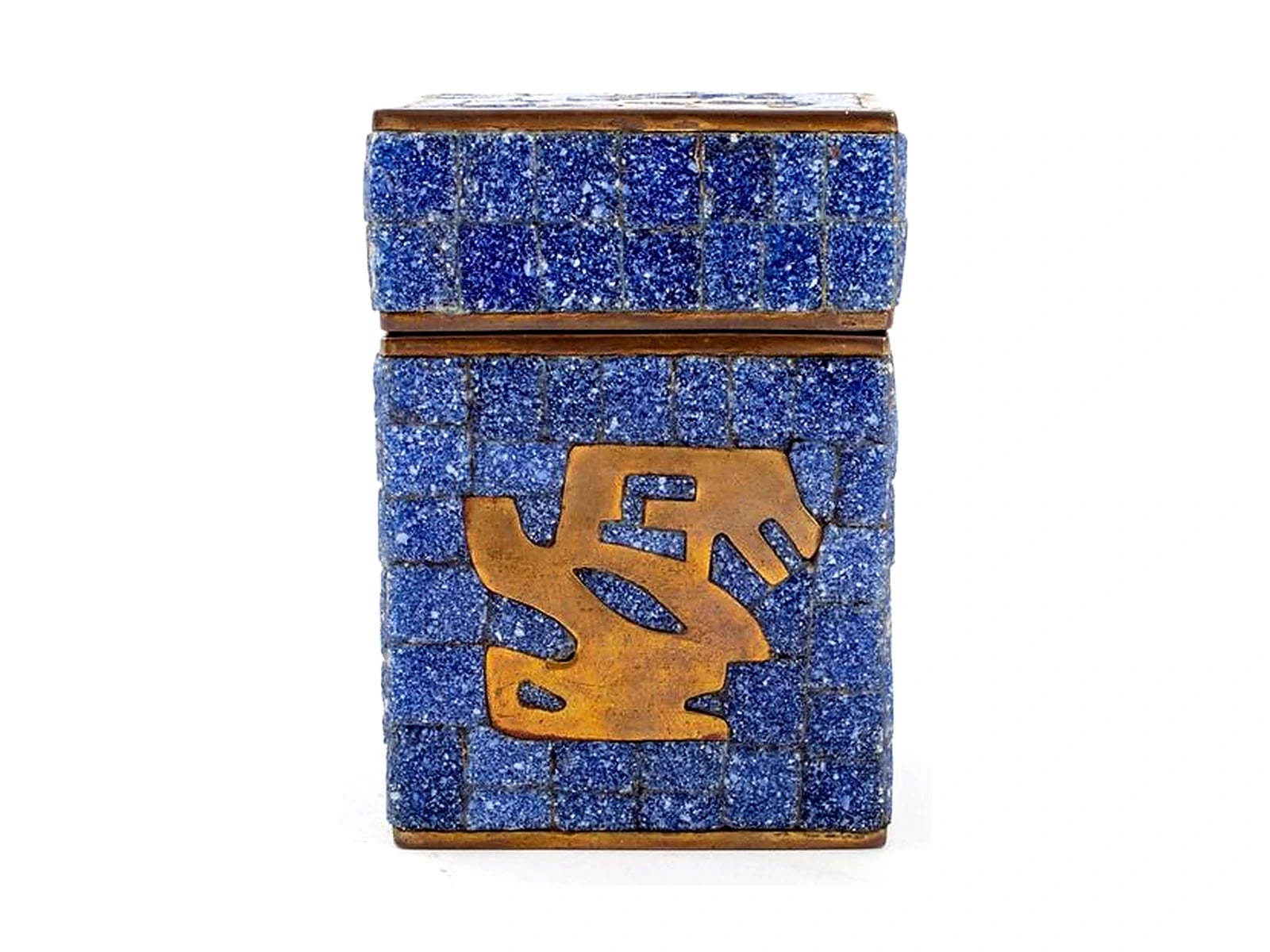
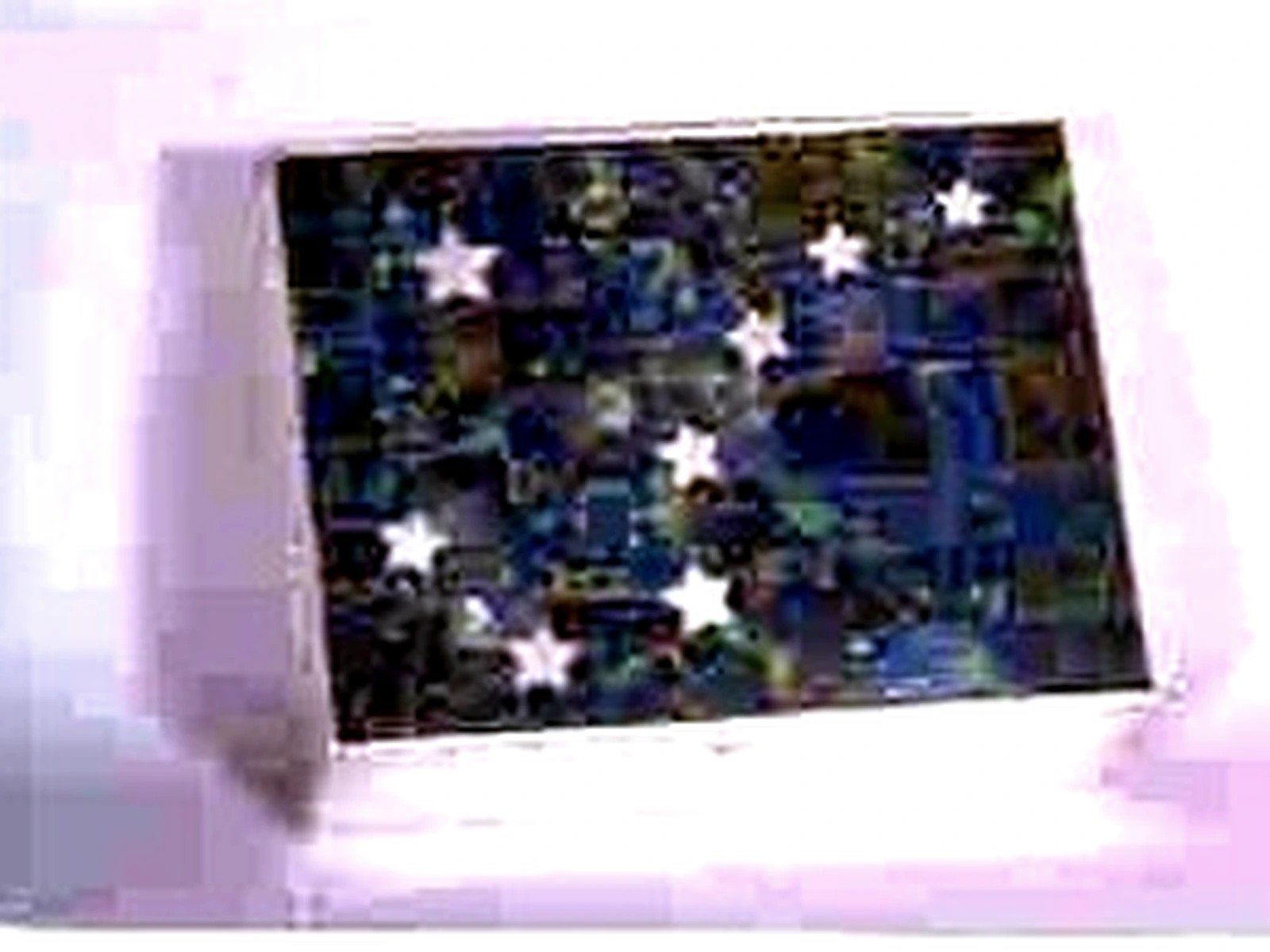
A silver box with a lapis lazuli and turquoise mosaic forming the flag of Alaska, this piece is a survivor of one of the most ambitious episodes of Spratling's later career: the 200 models he designed for the Alaskan Project. Hired by the U.S. government to develop a native arts and crafts industry, Spratling produced two hundred models in 1949, made of materials native to Alaska, including lapis lazuli, malachite, ivory, and abalone, to serve as a starting point for Alaskan craftsmen (Morrill, pp. 64, 66).
The box renders the Alaska flag as a stone mosaic, Spratling's own description recording it as "Flag of Alaska, lapis lazuli turquoise mosaic, silver." The mosaic technique and the use of regional stone tie the object directly to the project's purpose of building a craft tradition on local materials. The project was ultimately not funded by Congress, which makes the surviving models historically significant rather than merely decorative (Morrill, p. 66).
The box is now held by the Alaska State Museum in Juneau, catalogue number 97-15-2, with a documented photograph by Steve Henrikson. That institutional provenance places it firmly in the public record of the Alaskan Project.
The piece is recorded in Penny Morrill's William Spratling and the Mexican Silver Renaissance: Maestros de Plata. With its museum holding, its documented role among the 200 Alaskan models, and its standing in the literature, this is among the most thoroughly anchored objects in the whole of Spratling's later production.
Museum of Mexican Silver. “Alaska Project Star Mosaic Box.” Catalog no. MoMS-000498. https://museumofmexicansilver.com/pieces/spratling-1539
See something wrong with this record? Suggest a correction and the piece details fill in automatically.
William Spratling
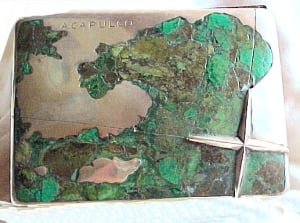
Acapulco Mosaic Box
Third Design Period: 1951 - 1967
Silver