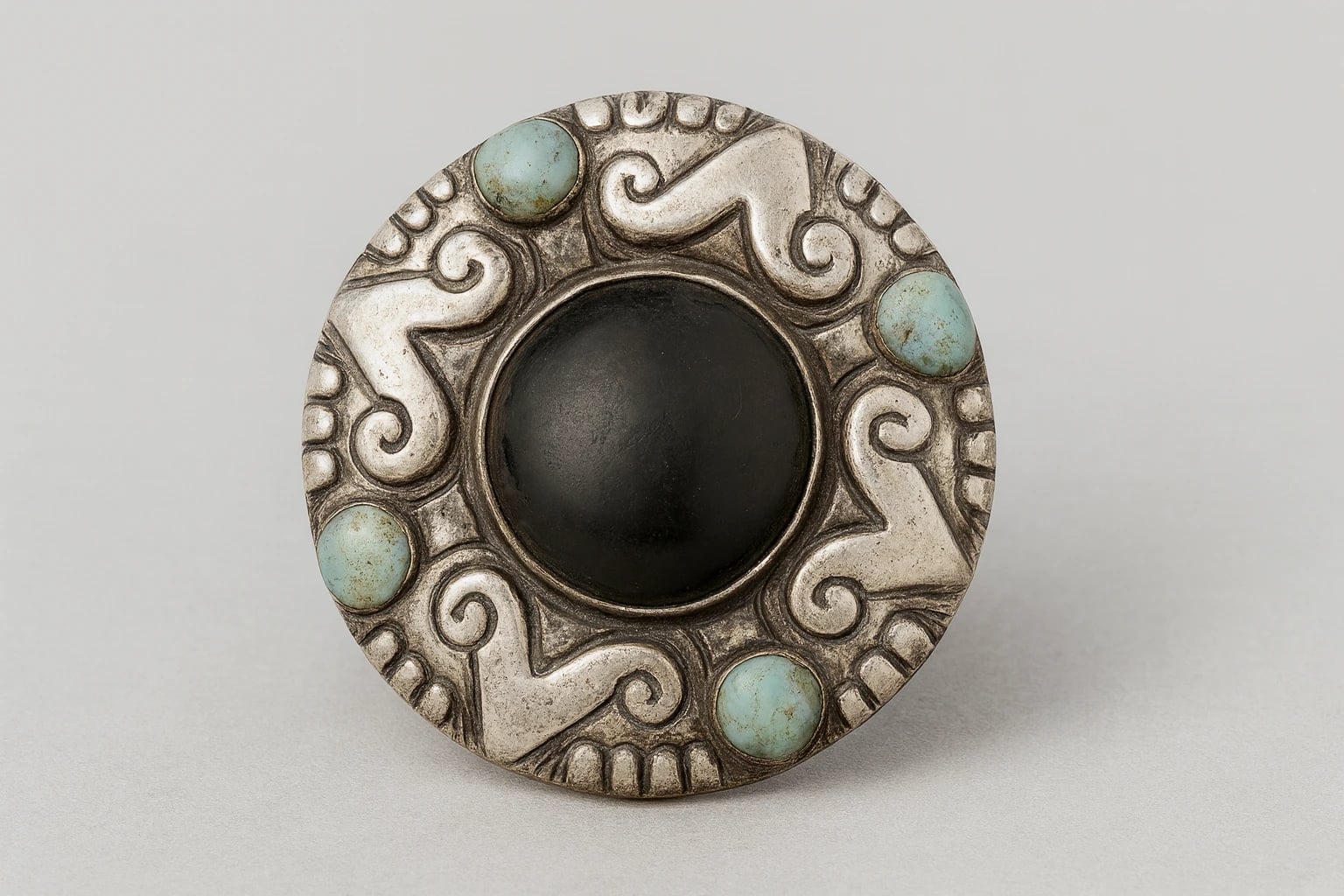
Part of the design family Libra Zodiac, Design No. 5226
Saves instantly, no account needed. Already a member? Sign in.
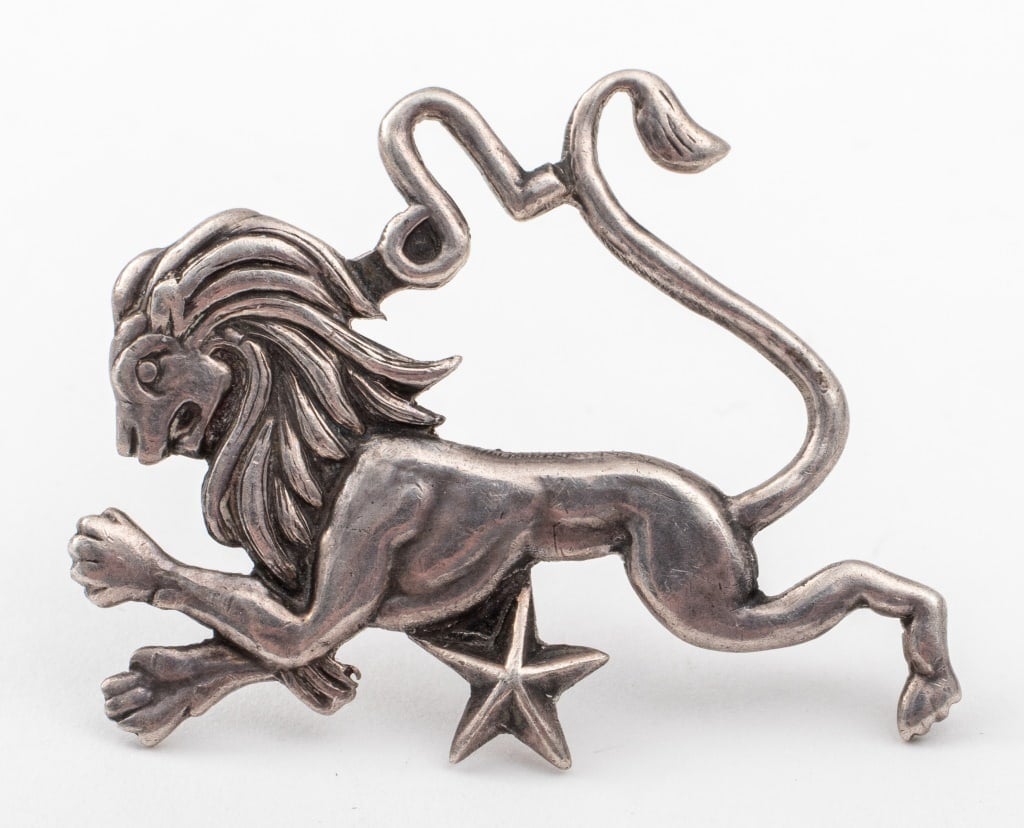
This brooch belongs to Margot de Taxco's Design No. 5226 Libra family, a zodiac composition built from the Libra glyph, a pair of scales, a star, and a ringed planet. Its importance is not enamel color but the way Margot's workshop translated astrological imagery into a compact silver emblem, with each sign reduced to a set of instantly readable symbols.
The plain silver surface matters here. Unlike the related green-enamel pendant, this brooch depends on relief, silhouette, and polished metal for its effect. The design shows how Margot's numbered inventory could move between forms and finishes while preserving the same iconographic structure.
For the Museum of Mexican Silver, the brooch clarifies the 5226 design family rather than standing as an isolated zodiac novelty. Paired with the pendant, it documents a coordinated Margot model and helps separate hallmark-confirmed design evidence from later descriptive titles.
Museum of Mexican Silver. “Libra Zodiac Brooch, Design No. 5226.” Catalog no. MoMS-001019. https://museumofmexicansilver.com/pieces/margot-pin-5226
See something wrong with this record? Suggest a correction and the piece details fill in automatically.
Margot de Taxco
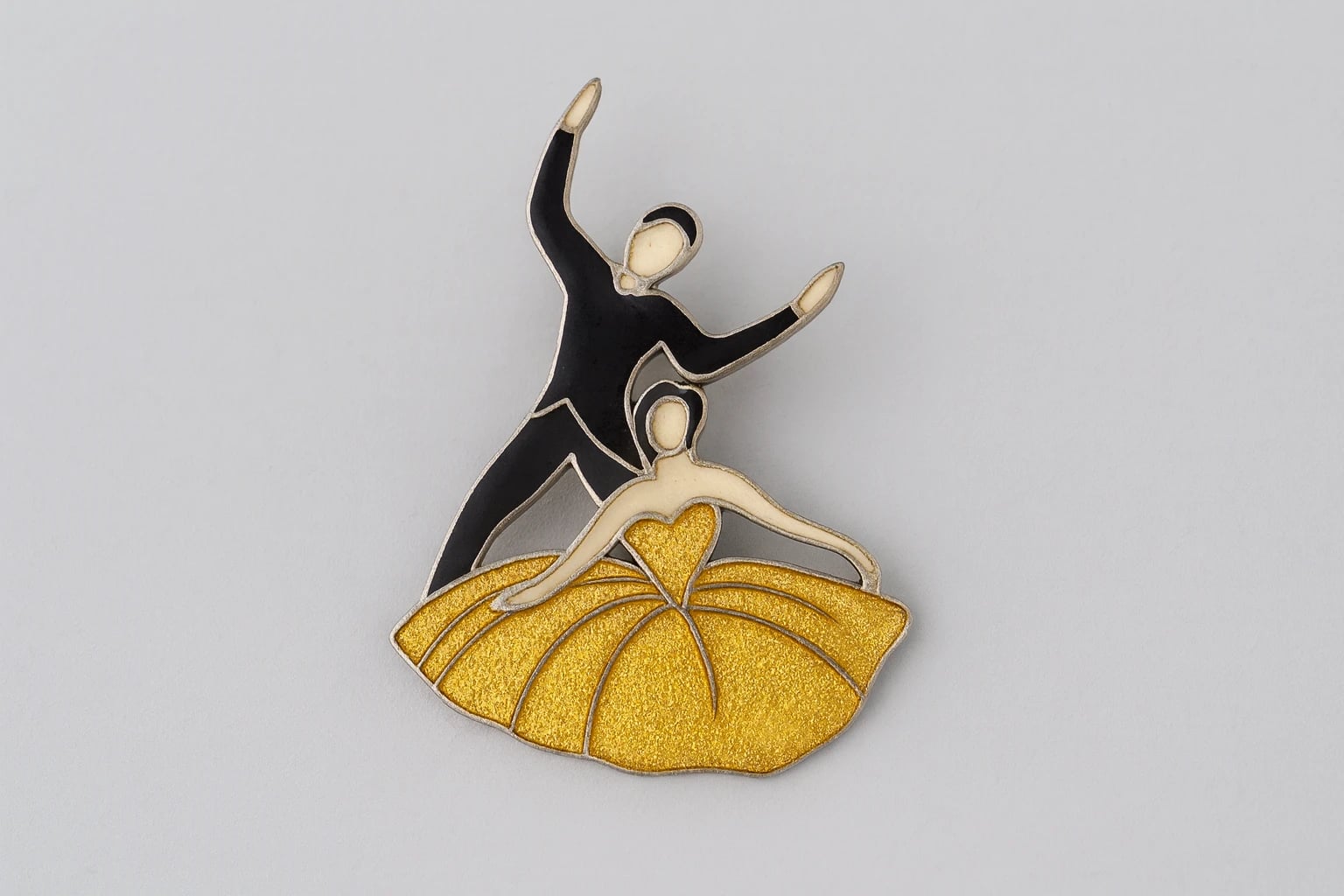
Design 5421 Flamenco Dancers Enamel Brooch
Enamel